Menu
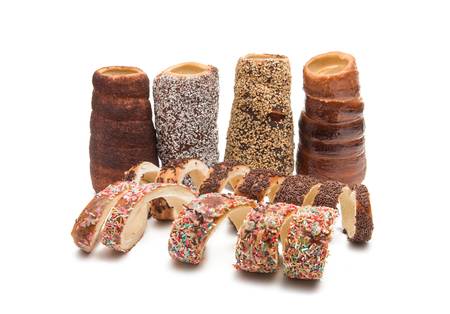
Kürtöskalács - Chimney cake
A Hungarian pastry. Popular in fairs and festivals throughout Hungary. It is constructed by wrapping a stripe of dough on a specialized rolling pin which doubles as a spit. It is then glazed and baked by rotating over heat source until the glaze becomes caramelized.
Toppings
normal - sugar-, sugary cinnamon - coconut -wallnut/haselnut
Töltött Kürtös - Stuffed chimney cake
A cone formed chimney cake filled with Nutella, soft ice, whipped cream,
Toppings
laqrids - walnut - fruits - gummybears - chocolate

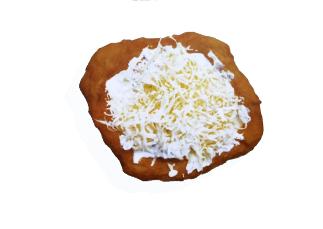
Lángos - Scone
Lángos is a Hungarian food speciality, a deep fried flat bread made of a dough with flour, yeast, salt, sour cream and water. It is eaten fresh and warm, topped with sour cream and grated cheese, ham, or sausages, or most frequently, without toppings, just rubbed with garlic or garlic butter, or doused with garlic water.
Töltött Lángos - Stuffed scone
Made as a calzone pizza (but of course with a scone dough), filled with kindly anything. Could be meat filled or vegetarian too.
Filling
ham - sousage -cheese - mushrooms - spinach - corn - pulled chicken
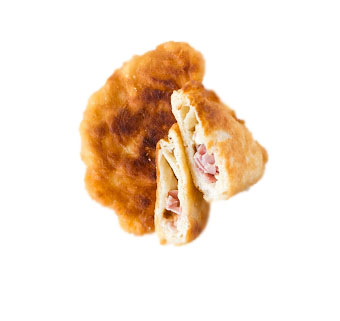

Pogácsa - Puff
It is a traditional, old school Hungarian pastry. It is made with yeast and it tastes amazing! These mini puffs are crunchy on the outside and super duper soft inside!
Topping/filling
cheese - "sheep curd" - pork cracklings - salt&sesam seeds
Bejgli - Beigli
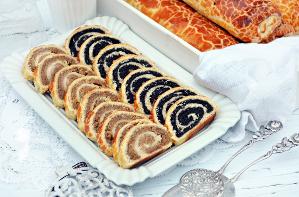
Originated as a means of transforming some extra bread dough into a special treat for the family. The yeast dough is roll into a thin rectangle, spread with a sweet filling, and roll into a cylinder jelly-roll style. The original cake rolls are commonly filled with the most popular medieval central European spice, poppy seeds, but nowadays there so many other options to the filling like, wallnut, coconut, chestnut, marzipan, chocolate.
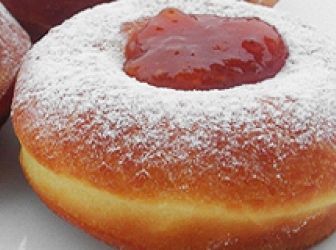
Fánk - Doughnut
Fánk is a sweet traditional Hungarian donut. The most commonly used ingredients are: flour, yeast, butter, egg yolk, salt, milk and oil to deep fry with. After the pastry has risen for approximately 30 minutes the result is an extreme light doughnut-like pastry. Fánk is traditionally served with powdered sugar and lekvár, Hungarian thick jams; mostly apricot at that.
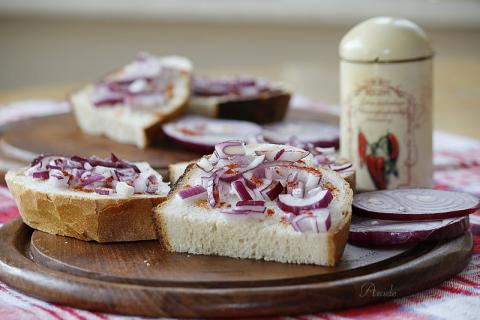
Zsíros kenyér - Bread&dripping
Dripping is the liquid that is left in the pan when you cook beef or pork. Pork or beef dripping can be served cold, spread on bread and sprinkled with salt, pepper, paprika and fresh onion. Mmm, mouth-watering.
Dinner
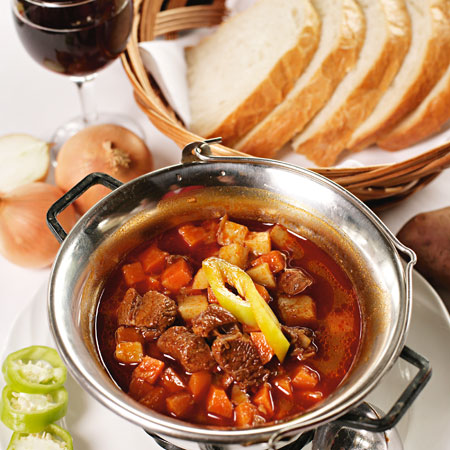
Gulyás leves - Goulash soup
This soup benefits from a long, slow cook and is actually a goulash, which is a stew, to which more liquid has been added. Traditional gulyas leves is made with beef and a lot of vegetables.
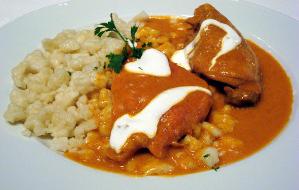
Csirkepaprikás - Chicken paprikash
It is a popular dish of Hungarian origin and one of the most famous variations on the paprikas preparations common to Hungarian tables. The name is derived from the ample use of paprika, a spice commonly used in Hungarian cuisine.The meat is typically simmered for an extended period in a sauce that begins with a paprika-infused roux.
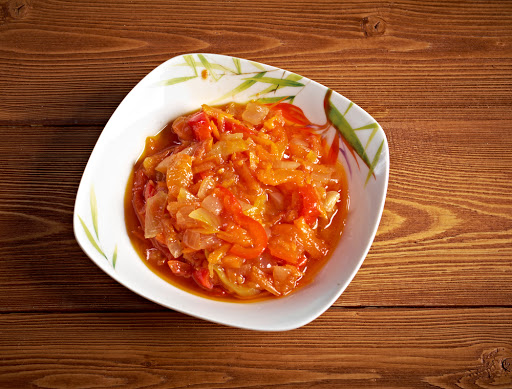
Lecsó - Hungarian ratatouille
A vegetable stew with paprika, tomato and onion as main ingredients. Spiced with salt, paorika and pepper. You can put some bacon it it, but it's optional.
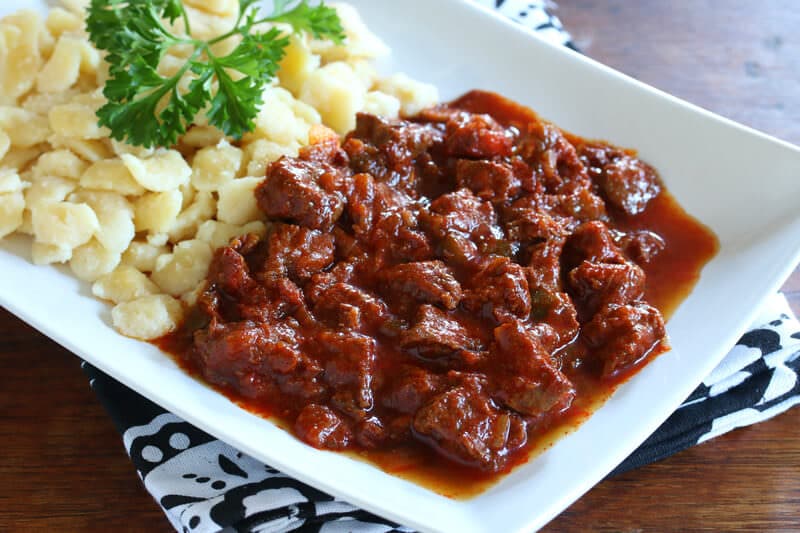
Marhapörkölt - Beef stew
One of the most famous Hungarian dishes is a prime example of how just a few simple ingredients can render the most delicious flavor. The basic Hungarian stew consists of onions sauteed in fat, meat (beef) and paprika slow-simmered in a little water and the result is simple fabulous.
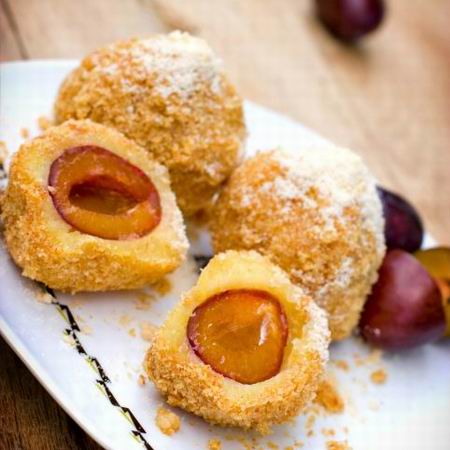
Szilvás gombóc - Plum dumpling
Ripe plum with a bit of sugar and cinnamon encased in a soft potato dough cooked then rolled in toasted breadcrumbs.
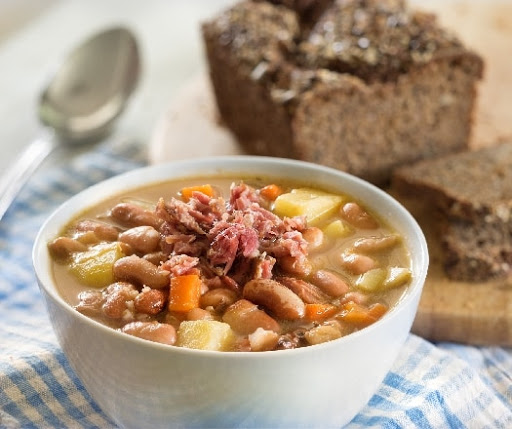
Jókai bableves - Hungarian bean soup 'Jókai' style
It is one of the most popular comfort foods in Hungary. It was named after our famous Hungarian writer Mór Jókai, because he was a big fan of this soup. A slowly cooked soup with smoked meat, beans, vegetables and noodles, with cream fresh on the top.
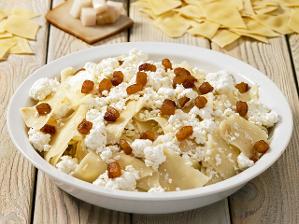
Túrós csusza - Hungarian cottage cheese pasta
What makes this pasta unique is the special combination of hot and cold: a portion of warm pasta cooked with cottage cheese is topped with an extra portion of cold cottage cheese, it is then mixed with hot, juicy bacon strips, with the final addition of some cold sour cream. The Hungarian name of the dish, ‘túrós csusza’ refers to the fact that this type of pasta is often very slippery due to the sour cream.